
13 Mar To Show a Profit — or Not to Show a Profit? That is the Question
Tax deductions can be powerful tools that help businesses reduce their tax burden. For many years, the strategy is straightforward: minimize taxable income as much as possible. Accelerated depreciation, equipment purchases, and other strategic deductions can significantly reduce the amount of tax owed.
However, there is another side to the equation that often receives less attention.
What happens when the company needs to purchase an office building, secure a large line of credit, or obtain bonding capacity for larger projects? In these situations, banks, bonding companies, and potential buyers focus on one key factor: profitability.
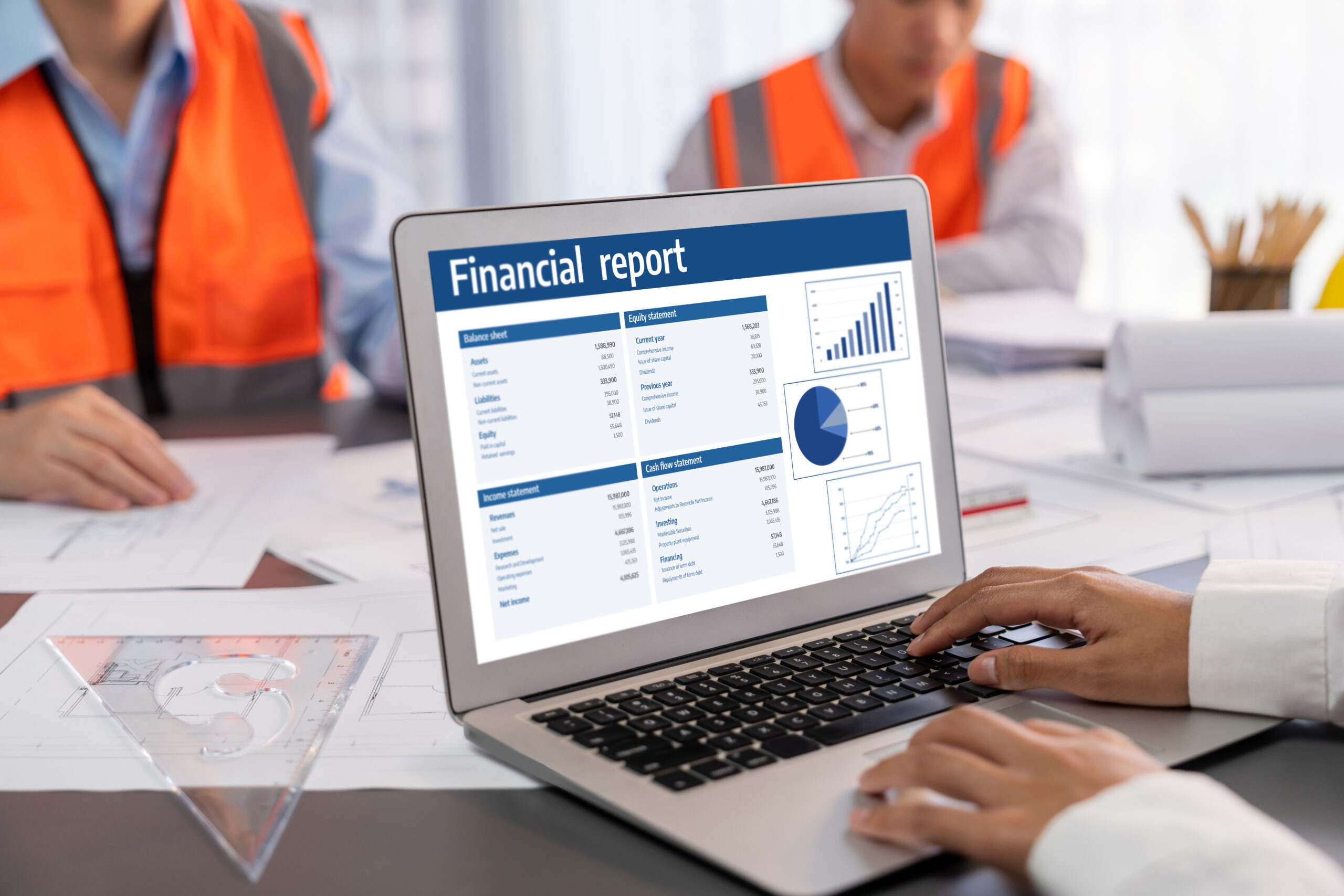
Strong financial statements demonstrate that a business generates stable income and has the capacity to service debt, manage projects, and sustain growth. When profits appear artificially low for many years, lenders and investors may view the business as higher risk.
The challenge for construction owners is finding the right balance.
Tax planning is important — no business wants to pay more tax than necessary. But aggressive tax minimization strategies can sometimes reduce the appearance of profitability in ways that affect borrowing capacity or long-term company value.
In some cases, every dollar saved in taxes today may reduce the perceived value of the company by several dollars during a future financing or sale.
This does not mean businesses should ignore tax planning. Rather, it highlights the importance of coordinating tax strategy with long-term business objectives.
Successful companies often maintain two perspectives:
Tax efficiency to minimize unnecessary tax payments
Financial clarity to demonstrate consistent profitability to lenders and buyers
When these two strategies are aligned, construction owners are better positioned to access capital, grow their operations, and eventually transition their business on favorable terms.
Ready to Strengthen Your Financial Story?
If your construction, development, or real estate company generates between $10M and $25M in annual revenue, the numbers on your tax return and financial statements directly influence your ability to secure financing, win larger projects, and build long‑term enterprise value. The right strategy doesn’t just reduce taxes — it positions your business for the opportunities ahead.
Sawgrass CPA Advisors partners exclusively with growth‑minded companies in this revenue range, helping owners align tax planning with profitability, bonding requirements, lender expectations, and exit goals. If you want to improve cash flow today while increasing the value of your business tomorrow, now is the time to take a more strategic approach.
Let’s talk about how to put your numbers to work for you. Visit www.sawgrasscpa.com to schedule a conversation with our advisory team.
# # #
About Sawgrass CPA Advisors:
Sawgrass CPA Advisors focuses on proactive tax reduction, profit and cash-flow advisory, operational financial insight, and long-term exit strategies. Our goal is to help business owners understand the story behind their numbers and make decisions that strengthen cash flow today while increasing business value for the future. Visit: www.sawgrasscpa.com